How IPVM Standards Improve Your CCTV System Design and Planning
When I first started working with surveillance systems, the term "ipvm" sounded like just another acronym in a sea of technical jargon. It took a handful of on-site installs and a few late-night troubleshooting sessions before I realized how central IPVM really is to getting a CCTV system right. IPVM stands for Internet Protocol Video Management, and it refers to the combination of IP cameras, network infrastructure, and a video management system that ties everything together. For anyone designing a CCTV system, understanding IPVM is not just helpful; it shapes every decision from camera placement to storage calculation.
In the early days of CCTV, analog cameras ruled the roost. You would run coax cable from each security camera back to a DVR, and the resolution was often just enough to identify a silhouette. Those systems worked, but they had limits. You could not easily scale them, and the picture quality rarely allowed for reliable license plate reading or facial recognition. Then came IP cameras, which brought digital video over a network. That shift opened up a world of possibilities, but it also introduced complexity. Suddenly you had to think about bandwidth, network switches, and compatibility between the camera and the video management system. That is where ipvm becomes the backbone of modern CCTV system design.
What IPVM Means for Camera Placement
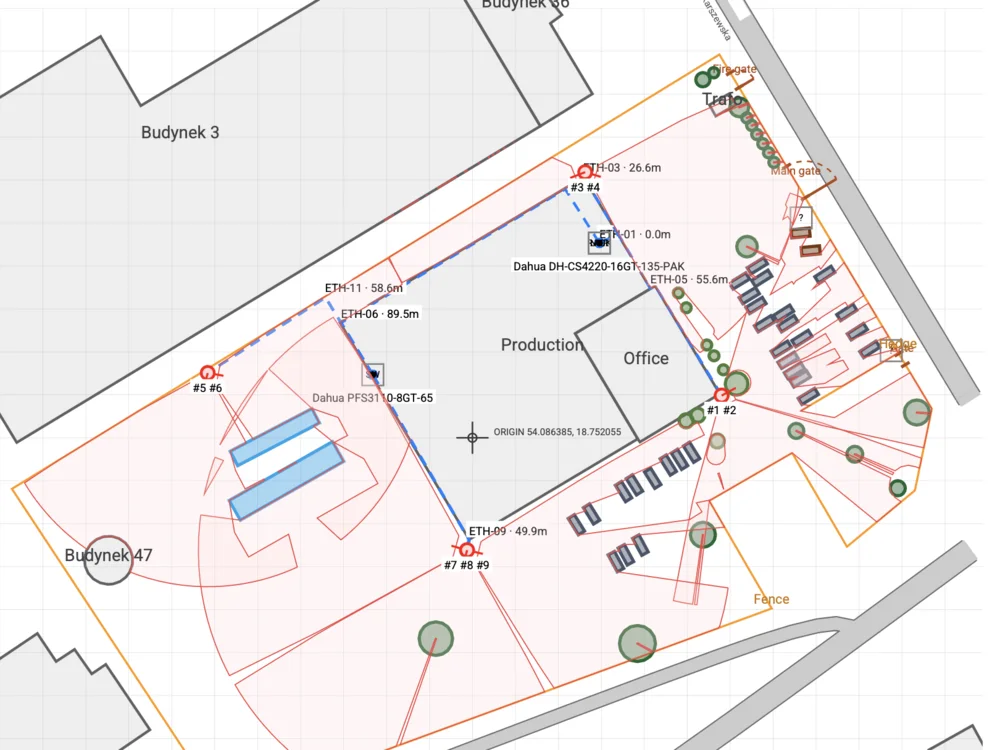
Camera placement is one of those tasks that seems straightforward until you actually try to do it. Most people think it is just about pointing a lens at a doorway or a parking lot. But effective camera placement requires balancing field of view, resolution, lighting conditions, and the limitations of the network. IPVM gives you a framework for making those trade-offs. When you know your video management system can handle motion detection and compression efficiently, you can place cameras in locations that maximize coverage without overwhelming your bandwidth.
For example, I worked on a warehouse project where the client wanted to monitor every aisle with a single security camera per row. The natural instinct was to use a wide-angle lens to cover as much space as possible. But with IPVM, we analyzed the storage calculation and realized that a wide-angle lens at the far end would produce a very low pixel density on objects near the floor. We ended up splitting the row into two cameras with narrower lenses, which gave us better resolution on forklifts and pallets. The IPVM approach forced us to think about what the video management system could do with that footage, not just where the camera pointed.
Bandwidth and Storage: The Hidden Constraints
One of the biggest surprises for newcomers to IP-based surveillance is how quickly bandwidth and storage can become bottlenecks. A single 4K IP camera at 15 frames per second can consume around 20 Mbps of bandwidth. Multiply that by 50 cameras, and you are looking at a gigabit per second just for video. That is before you account for the video management system processing the streams, recording to a network video recorder, and serving live views to operators. IPVM forces you to calculate these numbers upfront, not after the cables are pulled.
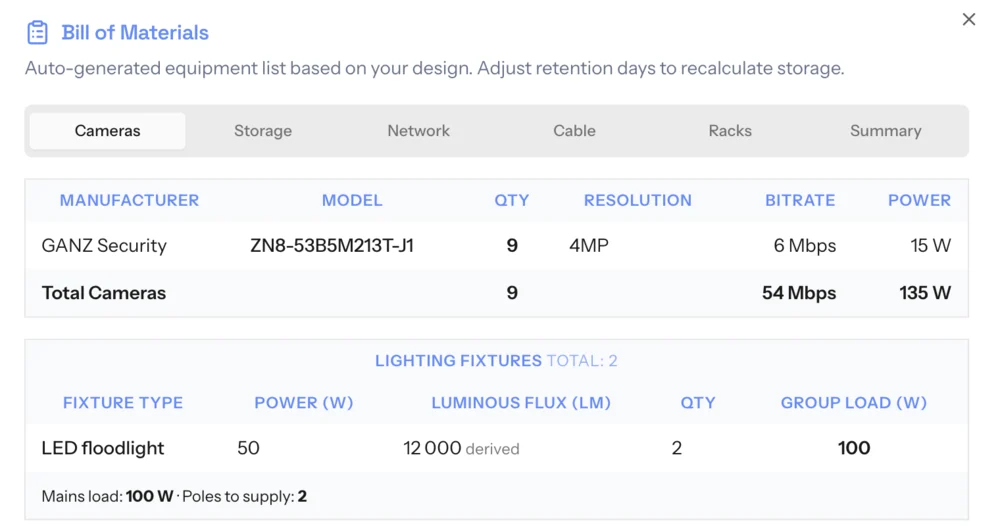
I remember a school project where the initial CCTV proposal used 1080p cameras at 30 frames per second. The network switch they had budgeted for was a basic gigabit model. When I ran the numbers on bandwidth and storage calculation, the system would have saturated the switch within an hour. We had to drop the frame rate to 15 fps and use H.265 compression to make it work. That is the kind of real-world adjustment that comes from treating IPVM as a core part of CCTV system design, not an afterthought.
Storage calculation is another area where IPVM changes the conversation. With analog systems, you could ballpark the storage based on recording days and resolution. With IP cameras, you have to factor in variable bitrate, motion detection triggers, and how the video management system handles pre-event recording. If you get the storage calculation wrong, you either waste money on extra hard drives or run out of space mid-week. I have seen both happen, and neither is fun to explain to a client.
How IPVM Shapes Client Offers and Technical Exports
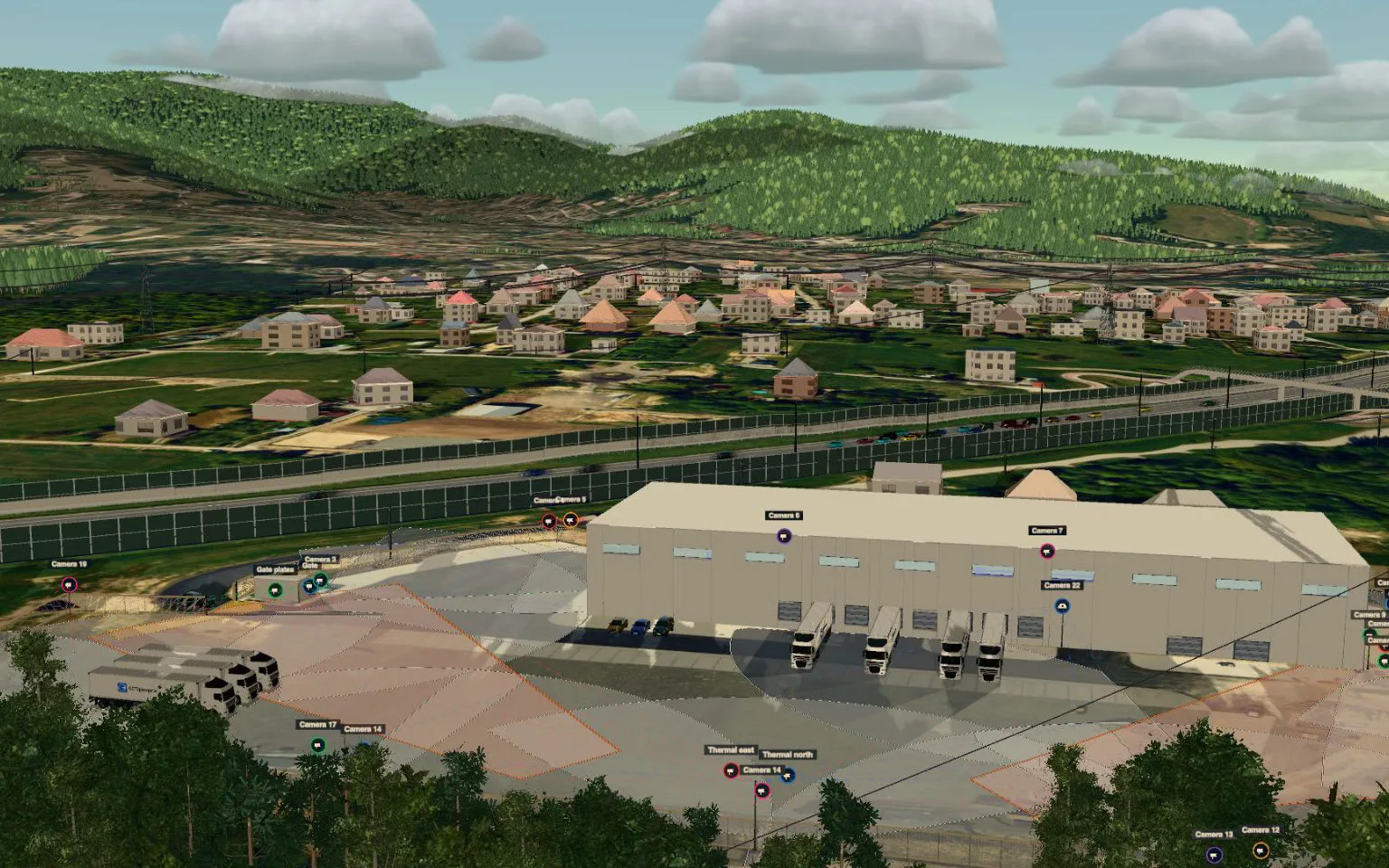
When you are putting together a CCTV proposal for a client, the technical details matter. But clients rarely care about codecs or switch port counts. They care about whether the system will catch a break-in or prove an incident. IPVM gives you a structured way to translate technical exports into something a client can understand. Instead of handing them a spreadsheet of IP addresses, you can produce a diagram that shows camera positions, field of view overlays, and recording retention times. That is what turns a list of parts into a real CCTV system design.
I have used CCTV planner tools to create those kinds of deliverables, and they rely heavily on the IPVM model. You input the camera specs, the lens choices, the resolution, and the frame rate, and the tool calculates bandwidth, storage, and even suggests optimal camera placement. It turns a complex engineering problem into something you can discuss with a facilities manager. That is the value of IPVM: it gives you a common language between the technical side and the business side.
Choosing Between IP and Analog in a Modern System
Even with all the advantages of IP cameras, analog still has a place. There are situations where the existing infrastructure is coax, the budget is tight, or the environment is particularly harsh. I have seen analog cameras work fine in a parking garage where you just need general awareness. But the moment you need to identify a face or read a license plate, you need the higher resolution and better compression that IPVM provides. The trade-off is that IP systems require more planning upfront. You cannot just plug in a camera and hope it works. You have to consider the network video recorder, the switch capacity, and the video management system's ability to handle motion detection and analytics.
One thing I have learned is that the field of view and lens selection matter more than the camera's megapixel count. A 5MP camera with a poorly chosen lens can be worse than a 2MP camera with the right lens. IPVM helps you simulate those choices before you buy hardware. You can model different lens focal lengths and see how the coverage changes. That kind of planning saves money and frustration on the installation day.
Practical Tips for Using IPVM in Your Next Project
If you are new to IPVM, start with the basics. Map out your network topology before you choose cameras. Know your switch capacity and your available bandwidth. Use a CCTV planner to run the numbers on storage calculation and bandwidth before you write the CCTV proposal. That one step can prevent most of the common failures I see in the field.
Also, do not overlook the video management system. It is the brain of the whole IPVM setup. A good VMS will handle motion detection, alerts, and playback in a way that makes the system usable. A clunky one will frustrate operators and lead to missed events. When you design a system, think about who will use it and how they will interact with the footage. That human factor is often the difference between a system that gets used and one that gets ignored.
Finally, remember that IPVM is not a product you buy. It is a methodology. It is the practice of designing a surveillance system where the network, the cameras, and the management software work together from the start. That is why I always bring up ipvm when I talk about CCTV planning with colleagues. It keeps everyone focused on the system as a whole, not just the individual components.
In the end, the best CCTV system designs are the ones that balance resolution, bandwidth, storage, and usability. IPVM gives you the tools to strike that balance. Whether you are planning a small retail store or a large campus, treating your IP camera system as an IPVM project will lead to fewer surprises and better results. That has been my experience, and it is a lesson I keep coming back to with every new installation.